
.png)
SWITCHING FROM LPG TO LITHIUM ELECTRIC FORKLIFT: HOW TO CALCULATE THE BATTERY AH CAPACITY
- Shaun Bateman
- Dec 29, 2022
- 3 min read
By Tim Karimov
Electrifying forklift fleets has become a priority for many material handling operations that are playing catch up on this industry trend. Over half of all lift trucks sold in the USA in 2018 were already electric, and the pace of transitioning to electric motive power has only accelerated in the last years.


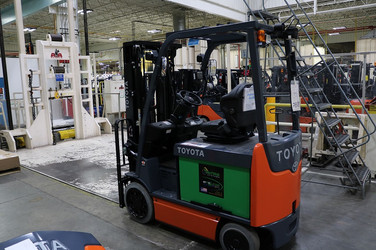


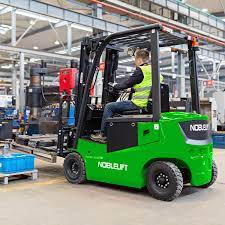
Switching from LPG to electric forklifts is bringing tangible and proven benefits to all operations using lift trucks, including lower operational costs and lower total ownership costs and safer, cleaner, and quieter conditions at workplaces. Lithium forklift battery technology made this switch viable for many heavy applications.
How do you correctly calculate the lithium forklift battery Ah capacity for switching to electric forklifts?
Handling paper, lumber, metals, and other power-hungry applications.
Internal combustion engine (ICE) lift trucks are still used by many companies today, partly because of the inertia of business-as-usual and partly because the old-generation electric trucks did not allow the switch. Inefficient lead-acid forklift batteries have inherent limitations and cannot support applications with a high energy throughput, such as paper and packaging, lumber, metals, etc., especially in extremely low or high temperatures and outdoor conditions. Long travel distances, driving up ramps, heavy loads, high lift heights, and the use of powered attachments such as paper clamps all put extra pressure on the power source.
Lithium batteries remove these barriers to going electric and reduce operational costs and pollution.
Lithium battery packs can store a lot more energy in the same size battery compartment as a lead-acid battery. They can be quickly opportunity-charged during breaks and lunches to last through multiple shifts daily. The FROST Series battery operates in extreme temperatures without any significant loss in capacity, thanks to a built-in heater and insulation.
LPG forklifts belong to the past
Liquid petroleum gas (LPG) forklifts are, by and large, comparable to diesel and gasoline-powered lift trucks. LPG engines produce lower noise and air pollution levels at workplaces, and they also cost less to fill up the tank than other internal combustion engines (ICE) that use diesel or gas. However, compared to electric-powered lift trucks, they are much more expensive to operate and maintain. The environmental benefits of electric power are also obvious. So it is just a matter of time before nearly all ICE-powered trucks transition to electric.
Lithium solutions have the highest ROI of the advanced motive power sources commercialized today
The advance of lithium-iron-phosphate (LFP) lithium batteries in the material handling industry followed the mass adoption of these batteries in electric buses and passenger EVs, this technology was already tried and tested by the time it was introduced to MHE. Apart from safety and environmental benefits, lithium batteries offer users a significant improvement in forklift performance: faster travel and lift speeds, less downtime, no acid spills, or fumes, etc. But what really made the adoption of lithium technology possible is the proven ROI of lithium forklift batteries, which comes with significant savings on energy, labour, and infrastructure costs.
The total cost of ownership: LPG vs. lithium battery-powered forklifts
The upfront cost of the equipment is higher with the electric lift trucks, but the savings over the 5 years are very substantial. With lithium-powered forklifts, this company saves on labour and maintenance (the rule of thumb is that an electric forklift requires one-third the maintenance of any ICE engine forklift). However, the real difference is in the cost of electricity compared to the cost of propane fuel. The company ended up paying 10 times less for electric power than it would have spent on propane. The prices of electricity and LPG vary across the states, but the difference is dramatic everywhere.


Comments